 info@dbkdirect.net
  818.408.3900
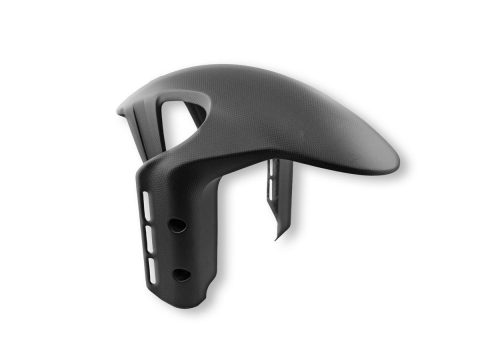
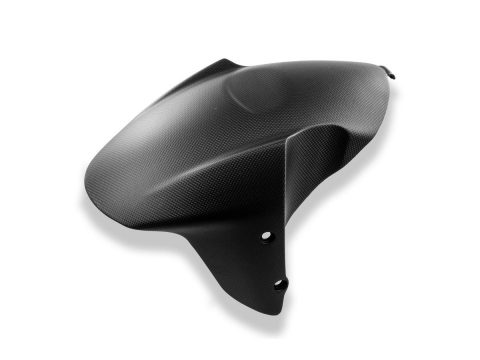
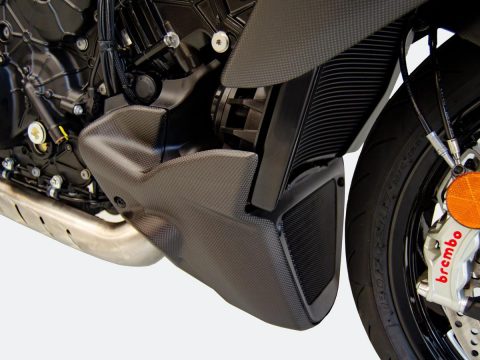
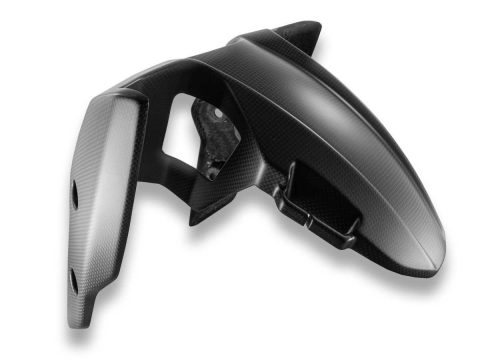
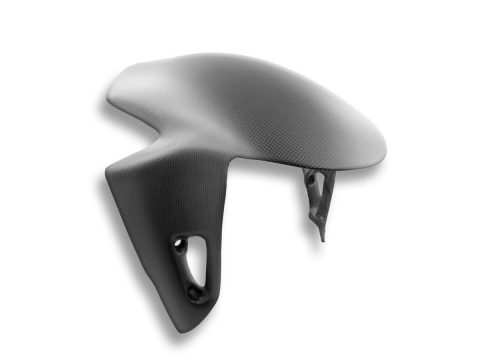
When it comes to the front end of your motorcycle, the factory plastic fender is utilitarian at best. Replacing it with a Carbon Fiber Front Fender is perhaps the most efficient way to simultaneously shed “unsprung weight” and elevate your bike’s visual presence to exotic levels.
In this category, we offer professional-grade carbon fiber fenders designed for street, track, and adventure applications. Whether you are chasing tenths of a second on the circuit or simply want that “factory-racer” finish in your garage, our selection represents the pinnacle of composite manufacturing.
Why Carbon Fiber? The Performance Reality
Most riders choose carbon for the looks, but the mechanical benefits are the true “secret sauce.”
- Reduction in Unsprung Weight: The front fender is part of the bike’s unsprung mass. Reducing weight here allows your front suspension to react faster to road imperfections, keeping your tire in more consistent contact with the asphalt.
-
Aerodynamic Stability: High-quality carbon fenders are often more rigid than OEM plastic. At speeds exceeding 130 mph, plastic fenders can deform; carbon remains structurally stable, ensuring consistent airflow over your radiators and brakes.
- Thermal Resistance: Carbon fiber naturally handles the radiant heat from high-performance brake rotors much better than standard ABS plastic, preventing warping over time.
Technical Comparison: OEM Plastic vs. Premium Carbon Fiber
| Feature | OEM ABS Plastic | Pre-Preg Carbon Fiber (Autoclave) |
| Weight | Moderate to Heavy | Ultra-Light (Up to 50% savings) |
| Rigidity | Flexible / Prone to vibration | High-Rigidity / Aerodynamically Stable |
| UV Resistance | Average (Fades over years) | High (UV-Protective Clear Coats) |
| Construction | Injection Molded | Vacuum Bagged / Pressure Cured |
Understanding the Weave: Twill vs. Plain
A Note on Authenticity: Not all carbon is created equal. High-end components are manufactured using the “Pre-Preg” method and cured in an autoclave. This ensures a perfect resin-to-fiber ratio. Avoid “carbon-look” overlays—they add weight without any of the structural benefits of real 3K carbon fiber.
- 2×2 Twill Weave: The “diagonal” pattern most commonly seen on European superbikes like Ducati and BMW. It is highly reflective and highlights the 3D depth of the fibers.
- 1×1 Plain Weave: The “checkerboard” pattern often preferred by Japanese manufacturers and vintage-style builds. It offers a subtle, technical look.
- Matte vs. Gloss: Gloss finishes make the weave “pop,” while matte (satin) finishes provide a stealthy, understated racing aesthetic.
Installation & Fitment
Our fenders are designed as Direct OEM Replacements. This means they utilize your factory mounting points and hardware. No drilling or “custom” brackets are required. We recommend reusing your factory rubber grommets where applicable to ensure proper vibration isolation.
Showing all 12 results
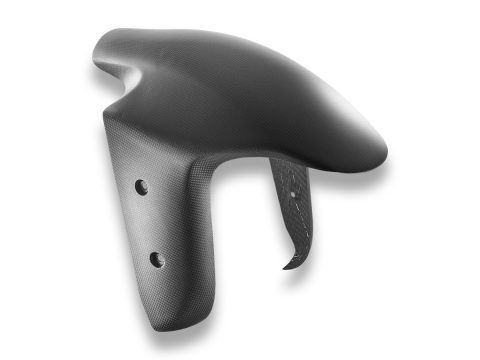
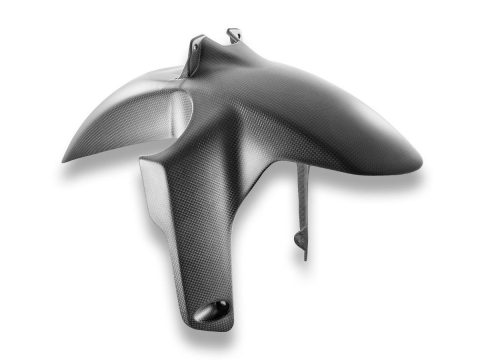
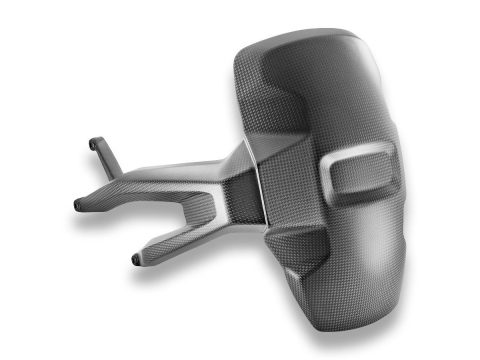
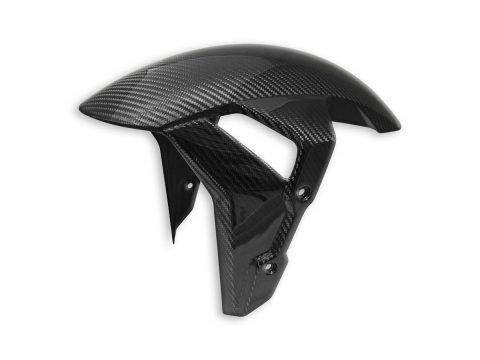

When it comes to the front end of your motorcycle, the factory plastic fender is utilitarian at best. Replacing it with a Carbon Fiber Front Fender is perhaps the most efficient way to simultaneously shed “unsprung weight” and elevate your bike’s visual presence to exotic levels.
In this category, we offer professional-grade carbon fiber fenders designed for street, track, and adventure applications. Whether you are chasing tenths of a second on the circuit or simply want that “factory-racer” finish in your garage, our selection represents the pinnacle of composite manufacturing.
Why Carbon Fiber? The Performance Reality
Most riders choose carbon for the looks, but the mechanical benefits are the true “secret sauce.”
- Reduction in Unsprung Weight: The front fender is part of the bike’s unsprung mass. Reducing weight here allows your front suspension to react faster to road imperfections, keeping your tire in more consistent contact with the asphalt.
-
Aerodynamic Stability: High-quality carbon fenders are often more rigid than OEM plastic. At speeds exceeding 130 mph, plastic fenders can deform; carbon remains structurally stable, ensuring consistent airflow over your radiators and brakes.
- Thermal Resistance: Carbon fiber naturally handles the radiant heat from high-performance brake rotors much better than standard ABS plastic, preventing warping over time.
Technical Comparison: OEM Plastic vs. Premium Carbon Fiber
| Feature | OEM ABS Plastic | Pre-Preg Carbon Fiber (Autoclave) |
| Weight | Moderate to Heavy | Ultra-Light (Up to 50% savings) |
| Rigidity | Flexible / Prone to vibration | High-Rigidity / Aerodynamically Stable |
| UV Resistance | Average (Fades over years) | High (UV-Protective Clear Coats) |
| Construction | Injection Molded | Vacuum Bagged / Pressure Cured |
Understanding the Weave: Twill vs. Plain
A Note on Authenticity: Not all carbon is created equal. High-end components are manufactured using the “Pre-Preg” method and cured in an autoclave. This ensures a perfect resin-to-fiber ratio. Avoid “carbon-look” overlays—they add weight without any of the structural benefits of real 3K carbon fiber.
- 2×2 Twill Weave: The “diagonal” pattern most commonly seen on European superbikes like Ducati and BMW. It is highly reflective and highlights the 3D depth of the fibers.
- 1×1 Plain Weave: The “checkerboard” pattern often preferred by Japanese manufacturers and vintage-style builds. It offers a subtle, technical look.
- Matte vs. Gloss: Gloss finishes make the weave “pop,” while matte (satin) finishes provide a stealthy, understated racing aesthetic.
Installation & Fitment
Our fenders are designed as Direct OEM Replacements. This means they utilize your factory mounting points and hardware. No drilling or “custom” brackets are required. We recommend reusing your factory rubber grommets where applicable to ensure proper vibration isolation.